


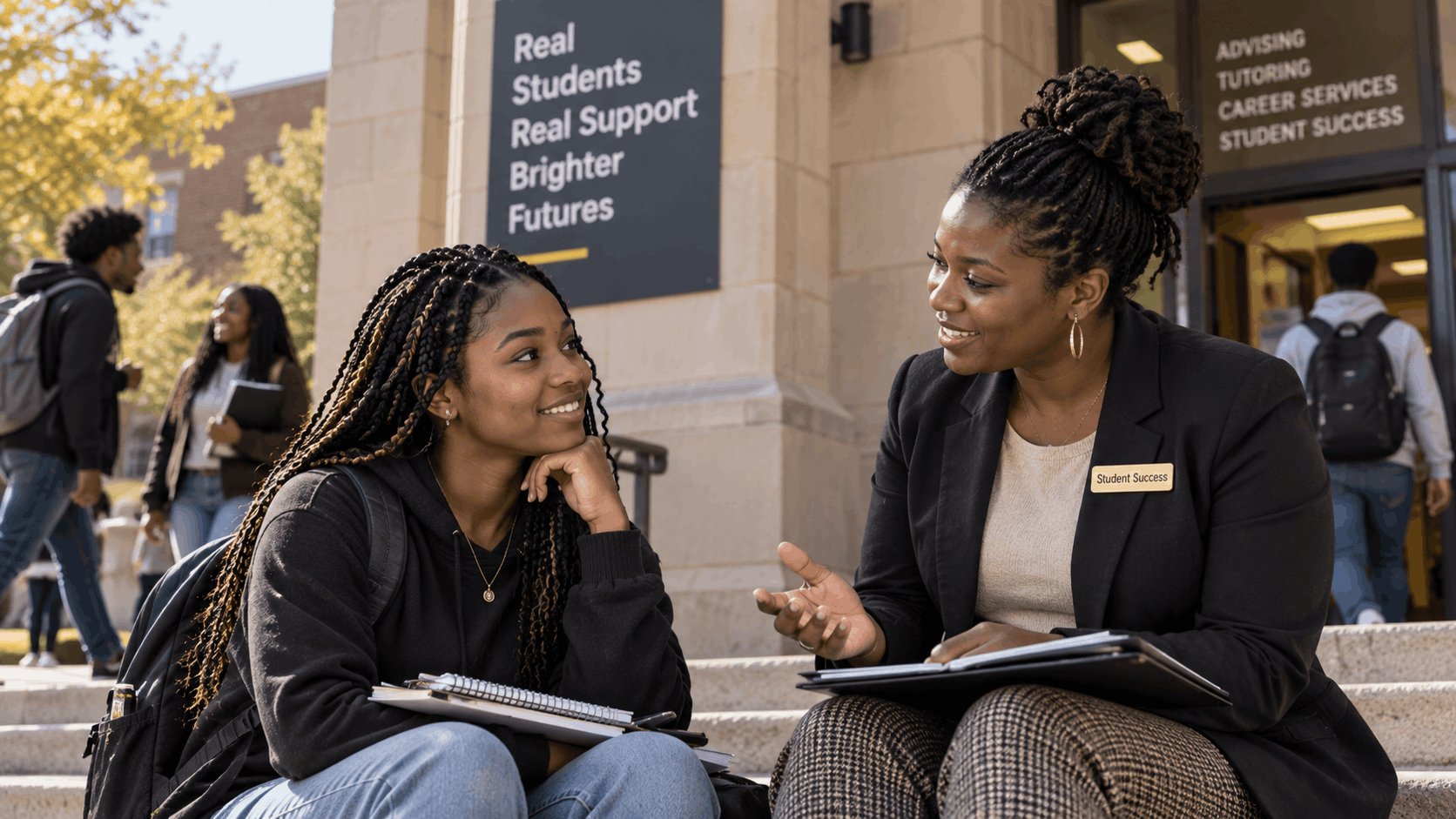
Many students have learned to treat asking for help like a last resort.
They wait until a grade is dropping. They wait until an assignment is overdue. They wait until they are so stressed that they can barely focus. They wait until they are embarrassed, discouraged, or convinced they should have figured it out on their own.
Then they finally reach out, often carrying more pressure than they needed to.
College is full of resources, yet students do not always know how to use them or feel comfortable doing so. Some believe tutoring is only for students who are failing. Some think office hours are only for students with a major problem. Some avoid advisors because they assume every question will make them look unprepared.
That mindset can make college much harder than it needs to be.
Asking for help is not evidence that a student does not belong. It is evidence that they are taking their education seriously.
Students can ask questions before they are confused. They can visit office hours before an exam. They can talk with an advisor before changing a class schedule. They can use a writing center before a paper is due. They can meet with a career counselor before senior year. They can reach out to a mentor before they feel completely stuck.
Early support creates more options.
A professor may explain an assignment in a way that finally makes sense. A tutor may help a student identify where their study habits need to change. An advisor may suggest a different course sequence or connect a student with financial, academic, or personal resources. A counselor may help a student process stress before it becomes burnout.
There is no prize for carrying everything alone.
Students often need help beyond academics, too. Financial aid offices can answer questions about scholarships, balances, loans, work-study, and deadlines. Counseling services can offer support around anxiety, depression, grief, relationship concerns, or the stress of being far from home. Cultural centers and student organizations can provide community. Career centers can help with résumés, interviews, internships, and professional direction.
Students deserve to know those doors are open to them.
For Black students and first-generation students, asking for help can feel especially complicated. Many have spent years being independent, high-achieving, or “the strong one” in their family. Some may worry about confirming stereotypes. Some may feel like there is no room to make mistakes. Some may not have relatives who can explain how college systems work.
That is exactly why relationships and resources matter.
A mentor can make a campus feel more navigable. A professor can become a trusted guide. A friend can be a study partner or accountability partner. An organization can become a space where a student feels understood. Programs like DAAP can reinforce what every student deserves to hear: support is part of success.
If you are a student, choose one resource to use this week.
Email your professor with a question. Visit office hours. Make an appointment with your advisor. Find the tutoring center. Ask a friend to study with you. Call someone you trust. Start with one small step.
Help does not have to come after a breakdown.
It can be part of the plan from the beginning.