


This post is for the adults in the room parents, donors, partners, educators, and community leaders.
When we talk about college access, we often focus on motivation: telling students to “work hard” or “dream big.” But many minority and first‑generation students are already working hard. What they’re missing isn’t effort. It’s a roadmap.
Many students have the talent but not the steps
First‑generation and minority students may not grow up hearing the “hidden steps” of college prep:
- When to start looking at colleges or trade programs
- How early to think about scholarships
- What goes into a strong application
- Why timing matters for FAFSA and financial aid
By the time some students receive this information, key deadlines have already passed. The gap isn’t in their ability—it’s in the timing and depth of support.
The support gap shows up in the data
Nationally, college enrollment is beginning to improve in some areas, but access still requires intentional work. Spring 2025 undergraduate enrollment grew 3.5%, with community colleges leading the way at 5.4% growth, according to the National Student Clearinghouse. Those numbers reflect positive momentum but they don’t erase longstanding gaps for minority and low‑income students.
We still see disparities in:
- FAFSA completion
- Scholarship access
- Application timing
- Awareness of community college, HBCU, and trade options
Community support isn’t extra it’s essential
Students don’t just need encouragement. They need:
- Clear information about their options
- Help understanding financial aid and scholarships
- Reminders before deadlines, not after
- Exposure to different campuses and careers
- Mentors who know how the process works and can walk beside them
Community organizations, schools, faith communities, and local partners can help close this gap by providing structured guidance, trusted adults, and culturally responsive support.
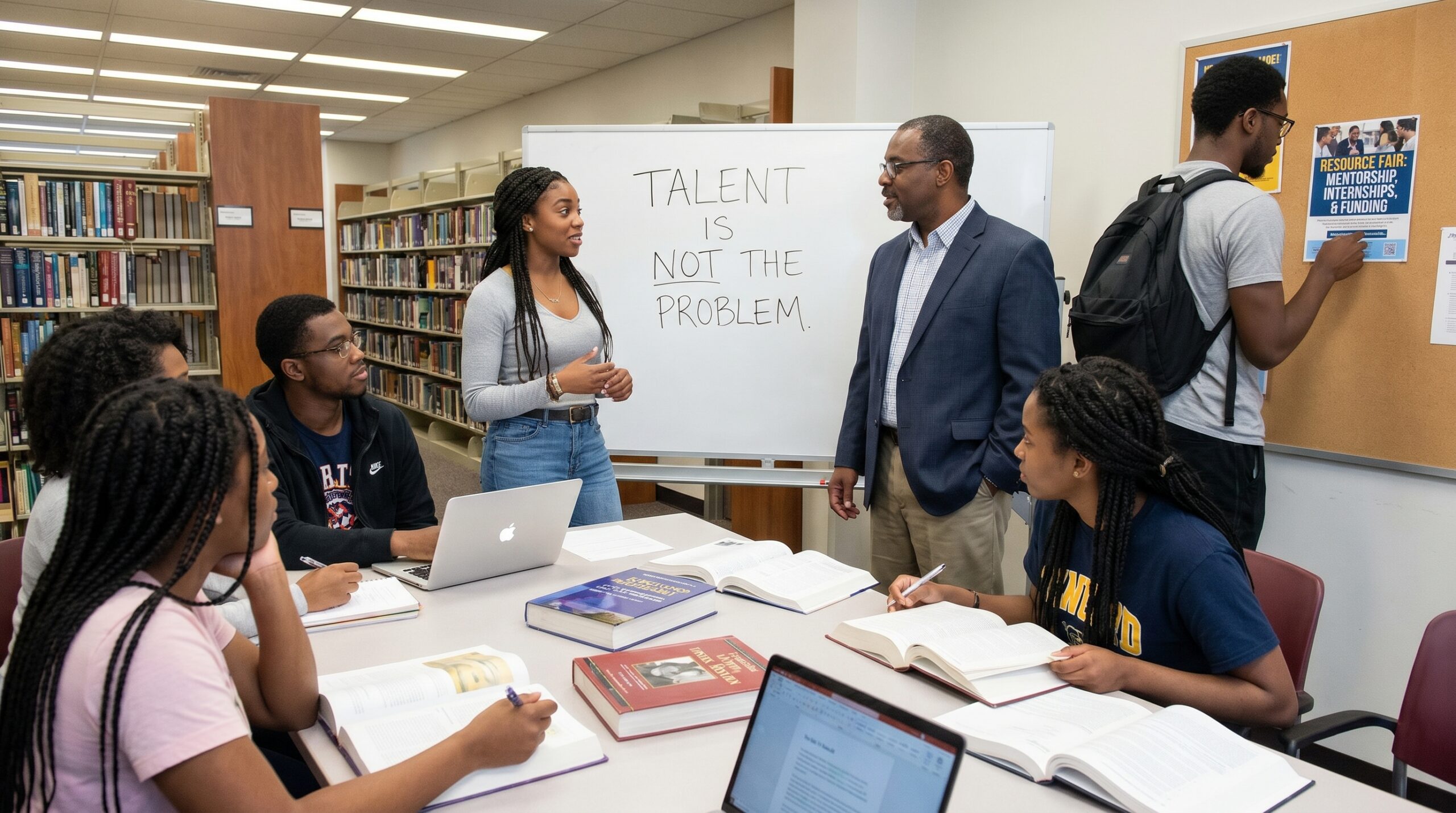
Mentorship is not a “nice bonus.” For many minority students, it is part of access itself.
CTA: DAAP exists to help more students see what is possible and understand the steps needed to get there, with real people and resources in their corner.