



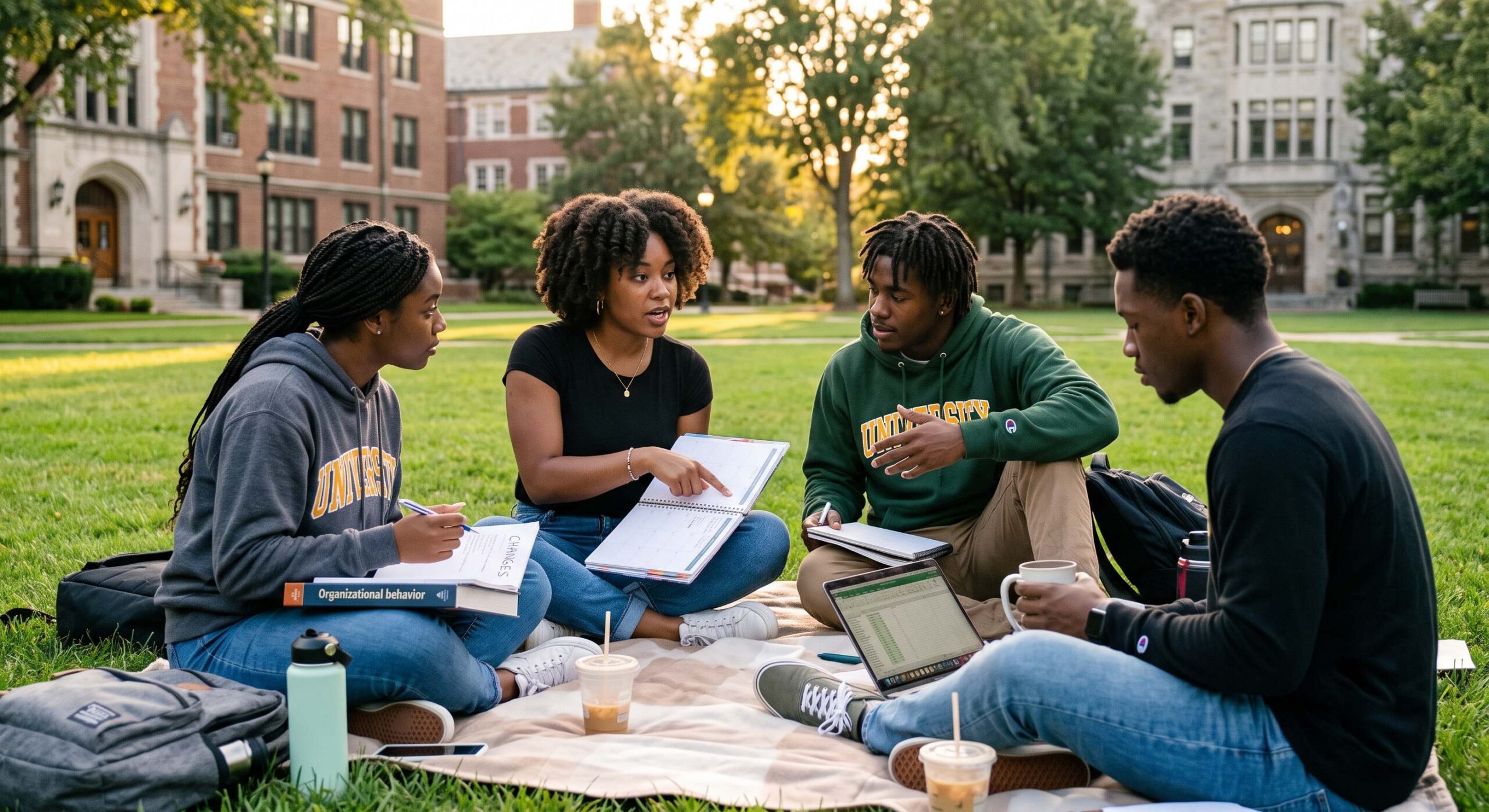
Returning students carry more than just last year’s books back to campus. They bring memories of classes that went well, classes that didn’t, friendships that shifted, work schedules that helped or hurt, and coping strategies that either kept them going or wore them down. Mid‑August is an ideal time to pause and decide: What needs to change?
The first step is reflection. Encourage students to look back at the previous semester and ask:
- When was I at my best?
- When was I overwhelmed?
- Which classes or responsibilities drained me more than they helped?
- Where did I have support, and where did I feel alone?
This isn’t about blame; it’s about data. The answers point to patterns that can be changed.
Next comes study habits. Many students wait until pressure peaks before they adjust. Instead, they can experiment now with scheduled study blocks, daily review routines, and small “start early” habits. For example, reading a syllabus in detail, adding all deadlines to a calendar, and spending 20–30 minutes on course material right after class can drastically reduce last‑minute panic.
Campus involvement is another lever. Students who feel connected—to peers, mentors, and organizations—often handle challenges better. For Black and first‑gen students, identity‑based organizations, cultural centers, and resource programs can be especially important. The aim isn’t to join everything; it’s to find two or three spaces where they feel seen and supported.
Goal setting works best when it’s simple and honest. Returning students can choose one academic goal (such as improving a specific grade or using tutoring consistently), one personal goal (like protecting sleep or managing stress more intentionally), and one financial or career‑related goal (such as applying for internships or tracking spending). Each goal needs small, actionable steps rather than vague intentions.
Finally, accountability changes the story. Students can identify one person or program they trust—a friend, mentor, advisor, RA, or support initiative like DAAP—and agree to regular check‑ins. Accountability can be as simple as a weekly text sharing one win and one challenge. When students know someone is walking alongside them, changes are more likely to stick.
One difficult semester does not define a student’s future. Reflection, better habits, and real support can turn this term into a different experience.